Welcome to the Western Asia World Food Platform
Supporting strategic cooperation and resilient food systems in Western Asia
A Global Platform Advancing Sustainable Food Systems Across Borders

37+
Years in Business

2500+
Successful Events

5000+
Satisfied Clients

500+
Media Partners

500+
Platinum Partners

300+
Other Supporters
The World Food Platform Western Asia Region
The World Food Platform Western Asia is a regional platform designed to address food system challenges in a region defined by arid climates, water scarcity, high import dependence, and geopolitical complexity. Western Asia includes some of the world's most food-import-reliant economies, alongside rapidly growing urban populations and ambitious national food security strategies. Read more
The region faces structural constraints on agricultural production due to limited arable land and water resources, while remaining highly exposed to global supply-chain shocks and price volatility. At the same time, Western Asia is investing heavily in agri-technology, controlled-environment farming, desalination-linked agriculture, alternative proteins, and strategic food reserves. The World Food Platform Western Asia brings these efforts together within a unified regional framework.
The Platform supports cooperation across food security planning, sustainable agriculture, logistics and storage, food safety, trade policy, and investment. It connects governments, sovereign entities, private sector leaders, innovators, and research institutions to enable knowledge exchange and coordinated action.
By linking regional priorities with global expertise, the World Food Platform Western Asia strengthens resilience, supports long-term food security strategies, and accelerates the transition toward sustainable, diversified, and future-ready food systems capable of withstanding environmental, economic, and geopolitical pressures.
Connecting global food institutions, policies, and leaders Shaping the future of food systems.




Uniting the World’s Food Authorities to shape strong, safe, and sustainable food systems worldwide.
Asia Advancing Global Food Security Through
Innovation and Sustainable Agriculture.
Western Asia (M.E-N.) – Food Industry and Agriculture Latest News
• Armenia
Armenia continues strengthening its agriculture through improved fruit and vegetable cultivation, modern irrigation, and sustainable farming practices that support rural communities.
Read More• Azerbaijan
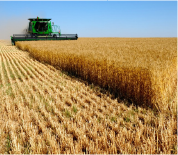
Azerbaijan expands grain, fruit, and greenhouse production while investing in modern agricultural technologies that enhance food quality and boost national food security.
Read More• Bahrain
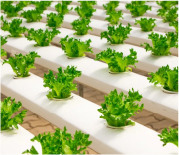
Bahrain promotes hydroponics, climate-controlled farming, and local crop initiatives to increase fresh-food availability and reduce reliance on imports.
Read More• Cyprus
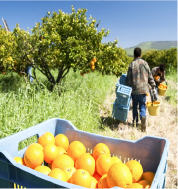
Cyprus enhances its food sector with expanded citrus, olive, and grape production, supported by sustainable farming and improved water-management systems.
Read More• Georgia
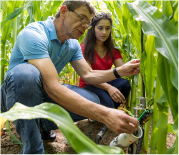
Georgia strengthens its agriculture through high-quality fruit cultivation, better soil management, and programs supporting local farmers and export growth.
Read More• Iran
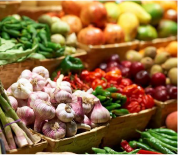
Iran focuses on expanding crop diversity, improving livestock systems, and developing modern irrigation technologies to support reliable, nutritious food supply across the country.
Read More• Iraq
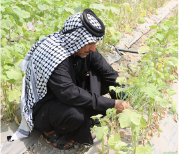
Iraq continues rebuilding its agricultural sector through wheat expansion, irrigation rehabilitation, and support programs designed to stabilize food production.
Read More• Israel
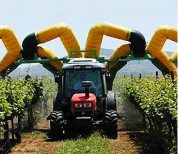
Israel advances high-tech agriculture, desert farming, and water-efficient cultivation systems, contributing to strong crop yields and consistent food quality.
Read More• Jordan
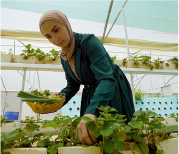
Jordan strengthens its food security efforts through greenhouse farming, improved water-saving agriculture, and expanded vegetable and fruit production.
Read More• Kuwait
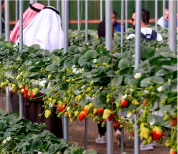
Kuwait develops controlled-environment farming, hydroponics, and local food-production programs that help reduce import dependency and improve fresh-food availability.
Read More• Lebanon
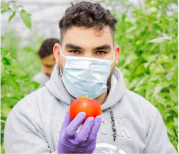
Lebanon strengthens its agriculture sector through small-farm support, fresh produce cultivation, and community-driven programs that help maintain food supply despite challenging conditions.
Read More• Oman
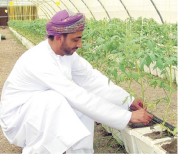
Oman focuses on improving local farming capacity, expanding olive and vegetable production, and supporting rural communities with sustainable, community-based agriculture.
Read More• Palestine
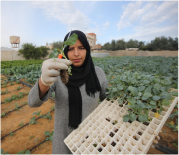
Palestine focuses on improving local farming capacity, expanding olive and vegetable production, and supporting rural communities with sustainable, community-based agriculture.
Read More• Qatar
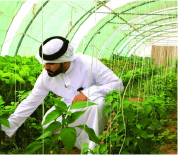
Qatar continues to grow as a major regional food producer, expanding fruit, vegetable, and grain cultivation, supported by strong agri-technology and export-driven markets.
Read More• Saudi Arabia
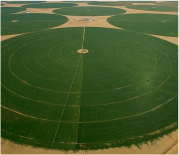
Saudi Arabia advances large-scale desert farming, modern irrigation systems, and food-security programs that boost national crop production and reduce import dependence.
Read More• Syria
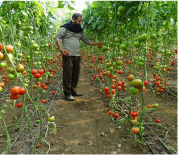
Syria expands hydroponics, climate-controlled farming, and local food production programs to increase access to fresh produce and strengthen food stability.
Read More• Türkiye
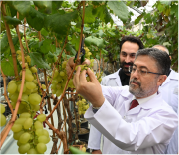
Turkiye improves its agriculture sector through greenhouse expansion, date production enhancement, and sustainable irrigation methods suited to dry climates.
Read More• United Arab Emirates
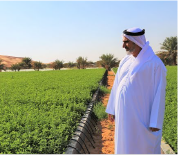
UAE accelerates local food production through advanced greenhouses, vertical farming, and high-tech cultivation systems that support greater self-sufficiency.
Read More• Yemen
Yemen focuses on rebuilding agricultural lands, restoring crop production, and supporting farmers with improved seeds and irrigation where possible.
Read More